

Last Updated: October 7, 2026
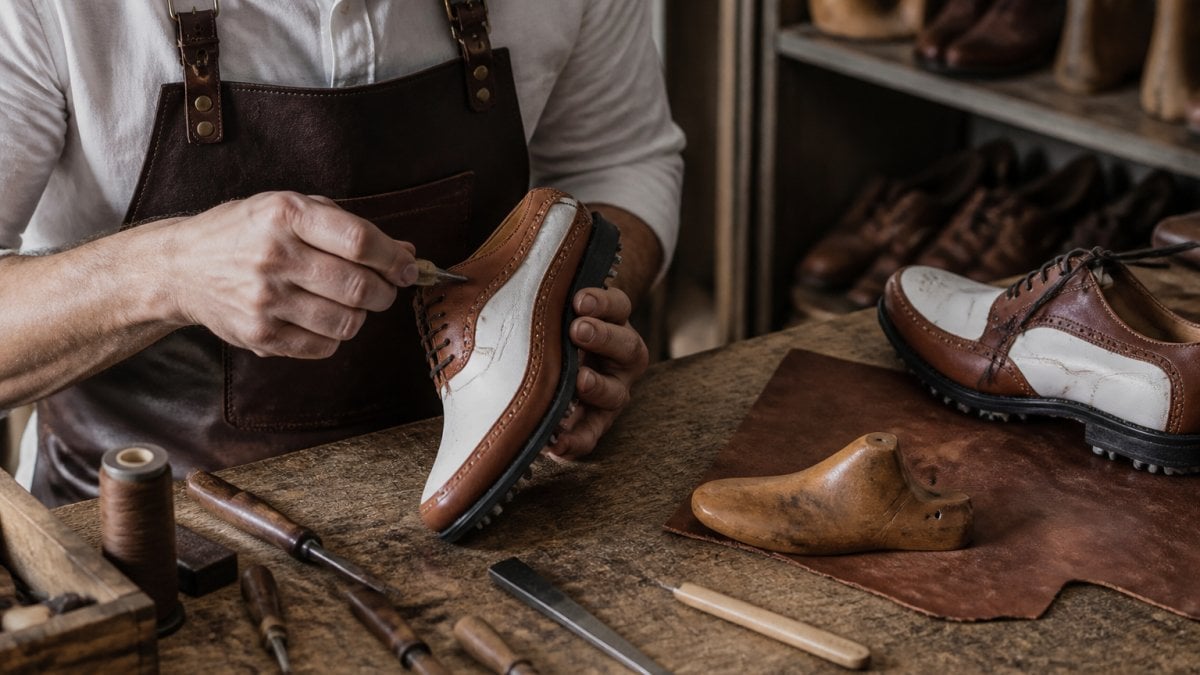
Handmade leather golf shoes are built by skilled artisans who know that on-course performance demands precision in every stitch and seam. The difference isn’t just aesthetic, it’s functional.
Choosing handmade leather golf shoes means investing in a product built around your individual needs rather than factory averages. Each pair is shaped by hands trained in traditional European craftsmanship, allowing refinements automated production cannot replicate. The result is footwear that adapts to your foot rather than the reverse.
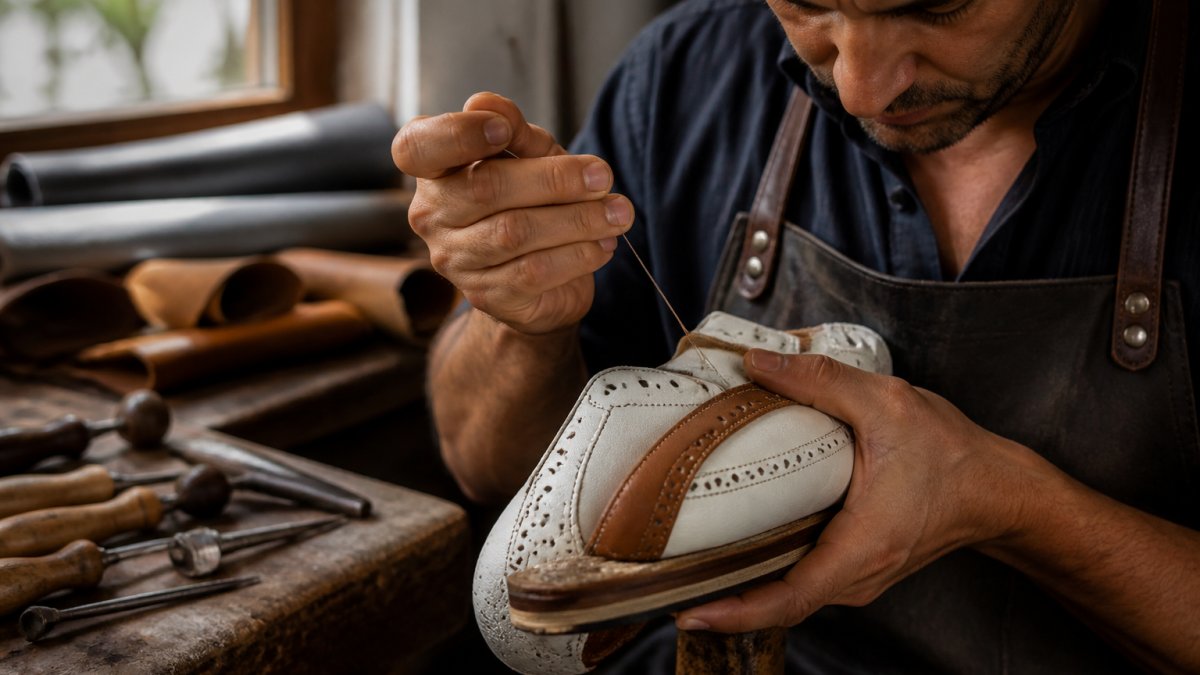
Golf-shoe manufacturers increasingly recognize that performance features matter as much as aesthetics. According to Cognitive Market Research’s Golf Shoe Market Analysis, manufacturers are emphasizing enhanced grip, stability, and waterproofing as core differentiators. Handmade construction allows for superior attention to these details because each shoe receives individual assessment and adjustment during production.
The distinction between handmade and mass-produced golf shoes goes far deeper than price. Mass-produced shoes are engineered for consistency across thousands of units, so compromises are built in from the start. Handmade inverts that logic: the shoe is built to your specifications, and consistency comes from the craftsperson’s skill, not molds.
Handcrafted construction means every component receives deliberate attention: the upper is shaped by hand, the sole attached with precision, and the finish inspected at multiple stages.
Research from the Journal of Sports Sciences on golf shoe outer-sole design examined how sole design features affect human kinetics during the golf swing. The findings underscore that sole construction directly impacts your swing mechanics and stability.
The city welt, that reinforcing band where the upper meets the sole, is one visible marker of quality. In handmade shoes, this is stitched with precision and often by hand. In mass production, it’s often glued or machine-stitched with minimal oversight.
Handmade producers assess each hide individually, identifying the best sections and using them strategically. Mass production sorts leather by grade and cuts standard patterns, so defects sometimes end up in high-stress areas.
Natural leather breathes, adapts to your foot, and improves with age, unlike synthetics. When you choose handmade leather golf shoes, the material was selected for durability and feel, not just cost. Premium cowhide and calf leather are the standards, chosen because they perform on the course and develop character over years.
Fit is where handmade shoes deliver their clearest advantage. A mass-produced shoe is built to a standard last, so everyone wearing size 10 gets the same form, even though your foot isn’t standard. Handmade shoes can be built on a last selected for your foot shape, or customized to accommodate asymmetries off-the-shelf options ignore.
Most new golf shoes need several rounds to break in. Handmade shoes often feel comfortable immediately because the leather and construction are tailored to your foot. Natural leather still needs time to mold to your shape, but the process is dramatically shorter.
Long-term comfort is where the real difference emerges. A handmade shoe built on a last matching your foot shape feels better after 50 rounds than on day one: the leather softens, the insole compresses, and the shoe becomes genuinely custom. Mass-produced shoes plateau and then deteriorate as materials wear unevenly.
Handmade leather golf shoes excel at moisture management because the leather is breathable and the construction allows air circulation. Premium calf leather linings wick sweat away and let it evaporate, keeping feet dry and preventing blisters from trapped moisture.
Mass-produced shoes often use synthetic linings that don’t breathe as effectively, so on a warm day your feet feel damp, heat builds up, and comfort suffers. Handmade prioritizes this detail because performance depends on keeping feet comfortable through eighteen holes.
Customizing handmade leather golf shoes addresses a reality mass production ignores: no two feet are identical. One foot is often larger, arches vary, and some need extra width in the ball of the foot. Off-the-shelf sizing tries to accommodate this through a few standard widths, and it rarely works perfectly.
Customization in handmade golf shoes goes beyond color. You can adjust width, arch support, heel height, and overall fit profile, and some craftspeople offer asymmetrical construction, building left and right shoes slightly differently to match your actual feet. Mass production can’t do this.
At Robert August, the design process combines digital tools with traditional craftsmanship. This fusion of 21st-century technology with traditional European shoemaking means your handmade leather golf shoes reflect your personal style while maintaining the performance standards of artisanal construction.

Many golfers struggle with standard sizing because their feet don’t conform to typical measurements. Handmade accommodates this: if one foot is a half-size larger or needs extra width, the shoes are built with that adjustment. This isn’t a workaround, it’s the standard process in handcrafted footwear.
Handmade leather golf shoes are built to last. Quality materials, precise construction, and attention to detail create footwear that performs for years with proper maintenance. A well-made leather golf shoe can last 5-10 years or longer, depending on play frequency and care.
Mass-produced shoes typically show significant wear within 2-3 years: the sole separates, the upper cracks, or the construction deteriorates. This isn’t always poor materials, it’s because they were built for volume, not longevity.
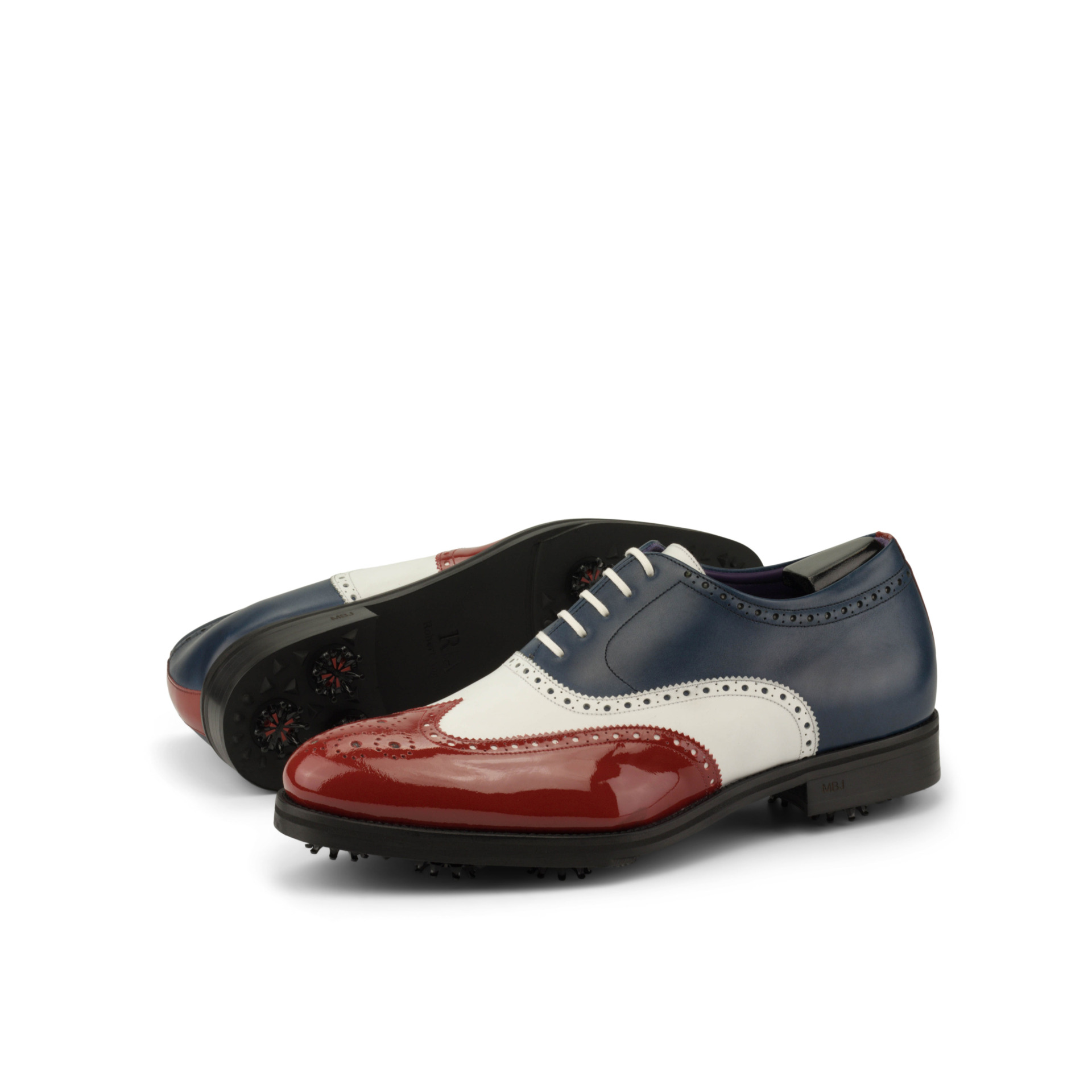
The Devon Ave. Full Brogue No. 8375 | Golf Shoes →
The durability advantage of handmade shoes is substantial when you calculate cost per round. A shoe that costs more upfront but lasts three times longer actually delivers better value. Over a decade of regular play, this difference becomes dramatic.
Proper care extends the life of handmade leather golf shoes significantly. Unlike mass-produced shoes that might not reward careful maintenance, handmade shoes improve and age gracefully when treated well.
Clean your shoes after each round, especially in wet conditions. Use a soft brush to remove grass and dirt, wipe with a damp cloth, and let them dry naturally, never with direct heat, which damages leather.
Apply a quality leather protectant regularly to create a barrier against moisture and staining while letting the leather breathe. Reapply every few months or after particularly wet rounds.
Store your shoes in a cool, dry place and use shoe trees to maintain their shape, preventing creasing and helping the leather age evenly. Proper storage makes a measurable difference over time.
One key advantage of handmade leather golf shoes is repairability. A quality craftsperson can replace the sole, repair upper damage, or adjust the fit if your feet change. With most mass-produced shoes, once something breaks, replacement is the only option.
Repair and restoration mean handmade shoes can genuinely last decades: soles can be replaced multiple times, leather conditioned and restored, straps replaced. This repairability is part of why handmade shoes deliver better long-term value.
| Maintenance Task | Frequency | Impact on Longevity |
|---|---|---|
| Cleaning after play | After each round | Prevents dirt buildup and damage |
| Leather conditioning | Every 3-6 months | Maintains flexibility and water resistance |
| Protective coating | Every 3-4 months | Protects against stains and moisture |
| Sole inspection | Every 1-2 seasons | Catches wear early for timely repair |
| Professional restoration | As needed | Extends lifespan by years |
Golf shoe performance comes down to three core elements: traction, stability, and weather protection. Handmade leather golf shoes excel in all three because they’re built with these requirements in mind from the start.
Traction depends on sole design and materials. Handmade shoes typically feature Softspikes® cleats for reliable grip on various turf conditions.
Waterproofing in handmade leather shoes comes from material quality and construction technique. Premium leather naturally resists water, and the way the upper is stitched and sealed keeps water out of the seams.
The upfront cost of handmade leather golf shoes is higher than mass-produced alternatives. A handcrafted pair from Robert August starts at $379, a real investment.
Consider the math: a handmade shoe costing $379 that lasts 5 years of regular play (roughly 100 rounds per year) works out to about $0.76 per round.
The real value emerges in the quality of experience: shoes that fit perfectly, feel comfortable after the first round, and improve with age, with no blisters, poor traction, or deteriorating construction.
Customization adds value beyond the initial purchase. When fit, materials, and design match your preferences exactly, you’re less likely to buy another pair to address shortcomings. One perfect pair replaces multiple compromises.
The choice between handmade and mass-produced comes down to what you prioritize. If you want shoes that perform on the course, feel comfortable from day one, last for years, and improve with age, handmade leather golf shoes are the logical choice. They cost more upfront but deliver measurable advantages in fit, comfort, durability, and long-term value.
Handmade leather golf shoes typically last 5-10 years or more with proper care, significantly longer than mass-produced alternatives. The quality of natural leather, precise stitching, and construction methods mean these shoes resist wear and maintain structural integrity through hundreds of rounds. Repair services can extend lifespan further by replacing worn soles or re-stitching seams, making handmade leather golf shoes a true long-term investment.
Yes. Handmade leather golf shoes conform to your foot’s unique shape over time, creating a custom-like fit that improves with wear. Premium natural leathers mold to your foot, and customization options allow accommodation of asymmetrical feet or specific sizing needs. Mass-produced shoes offer fixed sizing that may never feel truly comfortable. The break-in period for handmade shoes is shorter, and the long-term fit advantage is substantial for all-day wear and performance.
Handmade leather golf shoes are excellent for 18-hole rounds. Natural leather breathability prevents moisture buildup and heat, while premium calf leather linings reduce friction and blister risk. The construction provides stable support for lateral movements during your swing, and the snug fit minimizes internal foot movement. Many golfers report that handmade leather shoes become more comfortable as they break in, with the leather adapting to foot contours for all-day comfort.
Clean handmade leather golf shoes after each round with a soft brush to remove grass and debris. Wipe with a damp cloth and dry naturally away from direct heat. Apply leather conditioner monthly to maintain suppleness and water resistance. Store in a cool, dry place with shoe trees to maintain shape. For stubborn stains or damage, professional cleaning services preserve the leather. Proper maintenance extends lifespan significantly and keeps the shoes looking refined both on and off the course.
Handmade leather golf shoes represent a different approach to footwear entirely. They’re built by craftspeople who understand that golf demands precision, comfort, and durability. At Robert August, we combine traditional Spanish shoemaking with digital customization tools, allowing you to create handmade leather golf shoes that match your exact specifications. Browse our collection of handcrafted designs and discover how custom-made footwear can transform your game.

Discover why handmade leather golf shoes deliver superior comfort, durability, and performance. Learn how craftsmanship impacts your game and longevity.
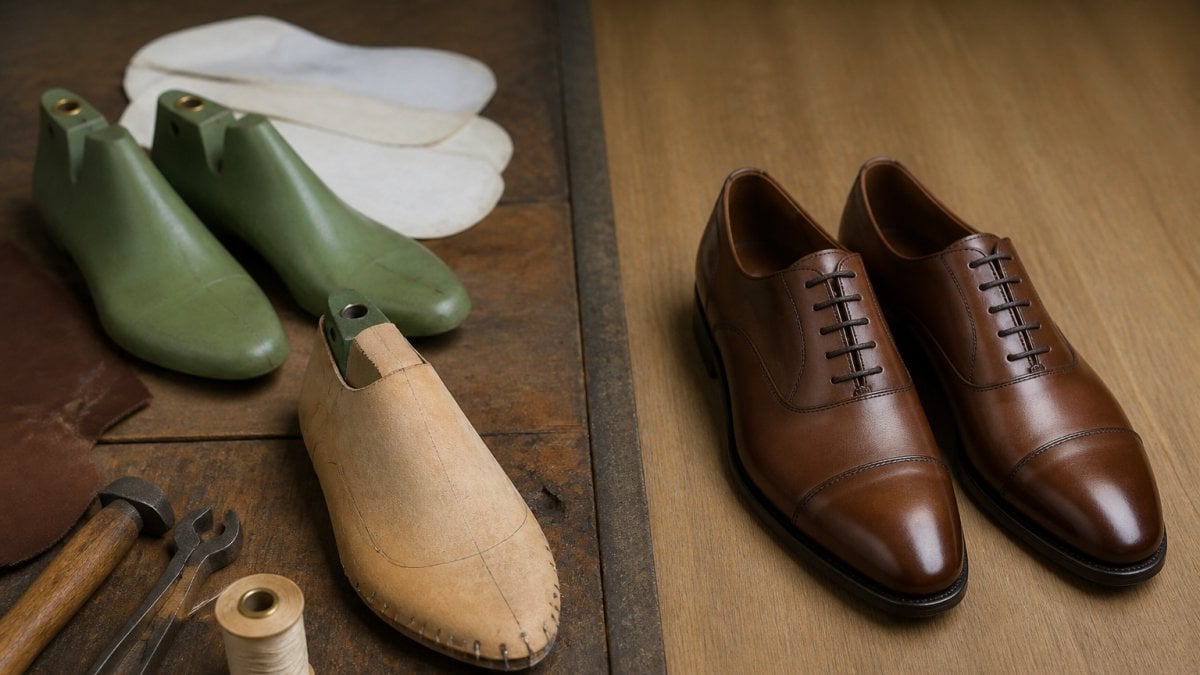
Bespoke vs ready to wear shoes compared: cost, fit, craftsmanship, and lead times. Discover which option suits your needs and budget.
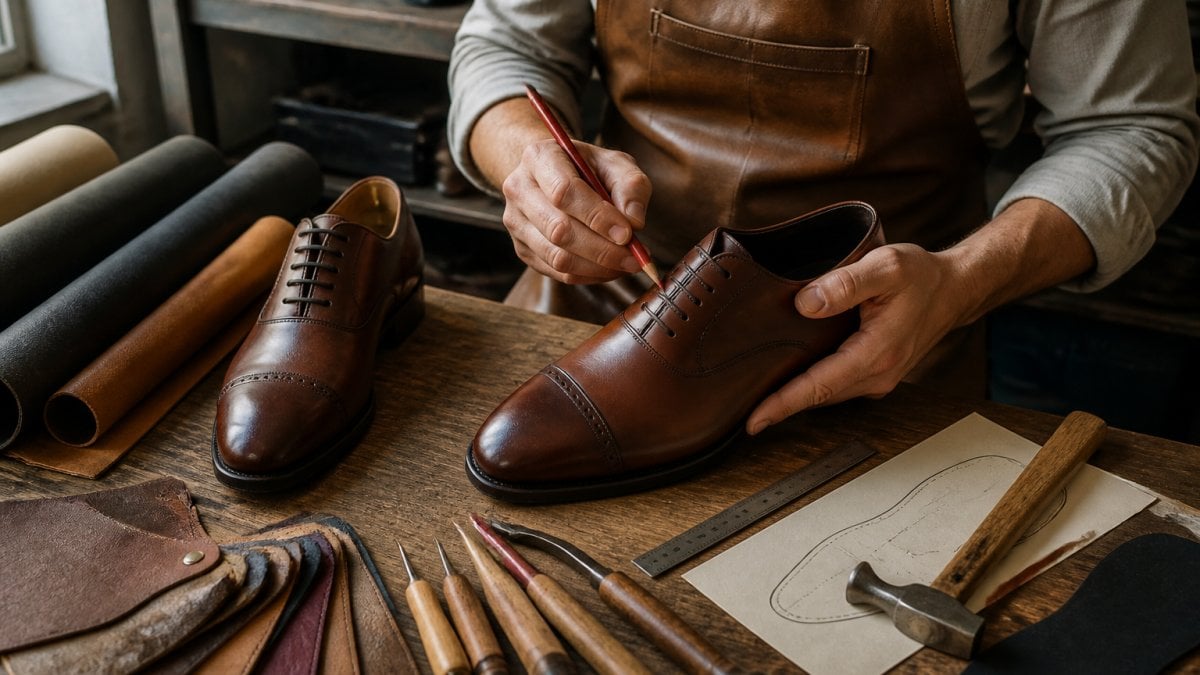
Design your own leather shoes with our step-by-step guide. From choosing leather to the bespoke design process, create custom made leather shoes online.
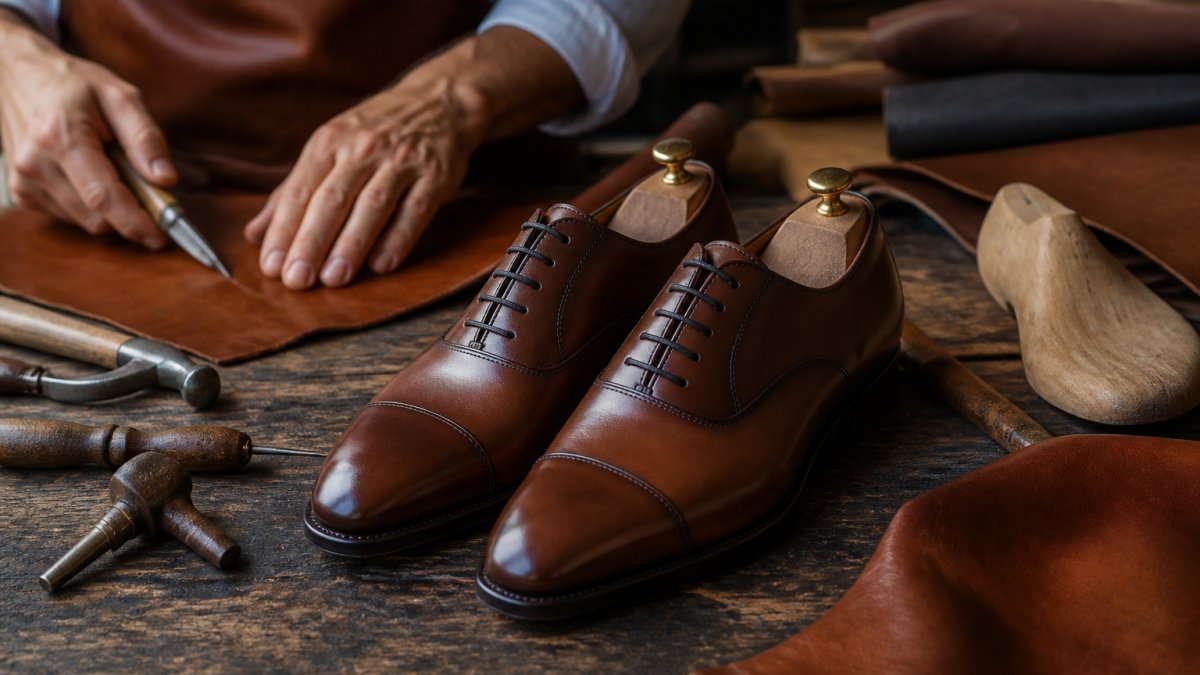
Explore luxury handcrafted leather oxford shoes, from full-grain leather benefits to bespoke vs made-to-order and maintenance tips.