
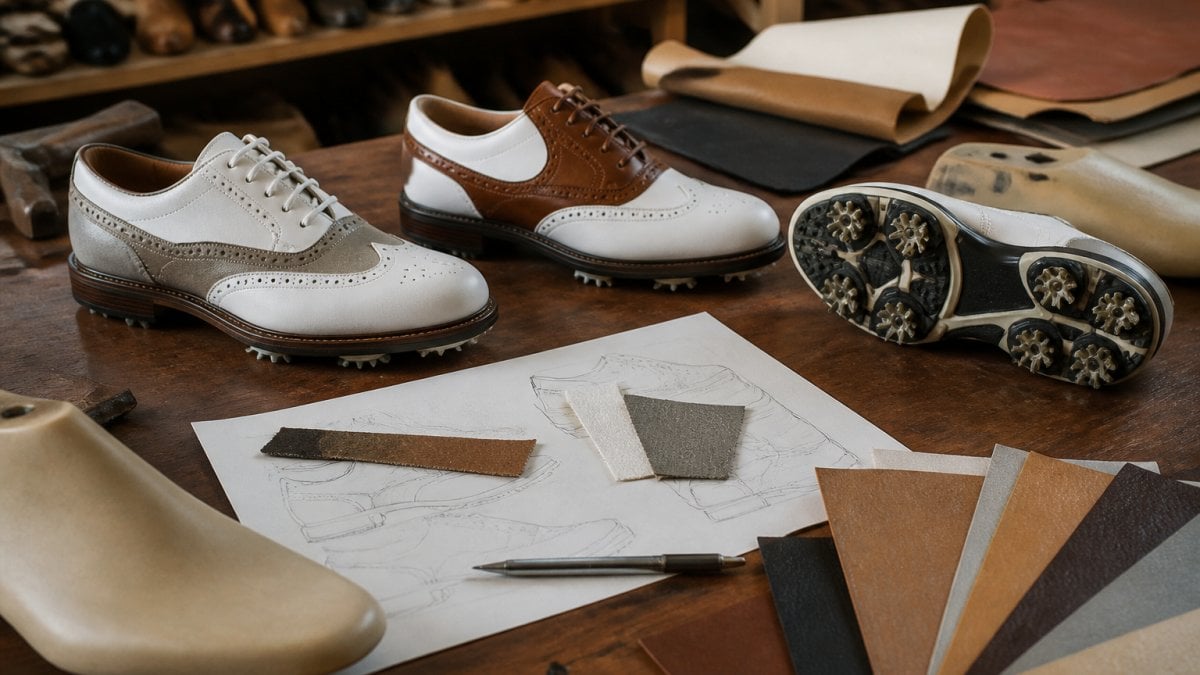

Last Updated: October 4, 2026
The global custom shoes market is valued at USD 3.06 billion in 2026 and is projected to reach USD 4.42 billion by 2030, according to Research and Markets’ Custom Shoes Market Report. That growth tells a simple story: people want footwear that fits their feet and their taste, not a mass-produced pair that fits everyone and no one.
Designing your own leather shoes is the process of choosing the leather, shape, color, and construction of a pair of shoes made specifically for your feet. At Robert August, we’ve built our entire business around this idea since 2016, blending modern design tools with traditional European craftsmanship.
Here’s the tension most guides ignore: a shoe that fits well but looks generic still feels like a compromise. A shoe that looks stunning but pinches your toes is worse. Custom design solves both problems at once, and this guide shows you exactly how to get there.
Leather choice decides how your shoes age, feel, and hold their shape. Get this wrong and no amount of skilled stitching will save the final result.
Full-grain leather keeps the hide’s natural surface intact, so it develops a patina over time. Corrected-grain leather is sanded smooth for a uniform look but loses that character.
Plant-based leathers made from cactus, pineapple, and mushroom fibers now offer a real alternative to animal hides. They won’t patina the same way, but they suit buyers who want durability without animal products. Most guides skip this entirely. We think it deserves a place at the table.
The bespoke shoe design process is a sequence of measurement, material selection, and construction decisions that turns your preferences into a finished pair. Every step builds on the last, so skipping one shows up in the final fit.
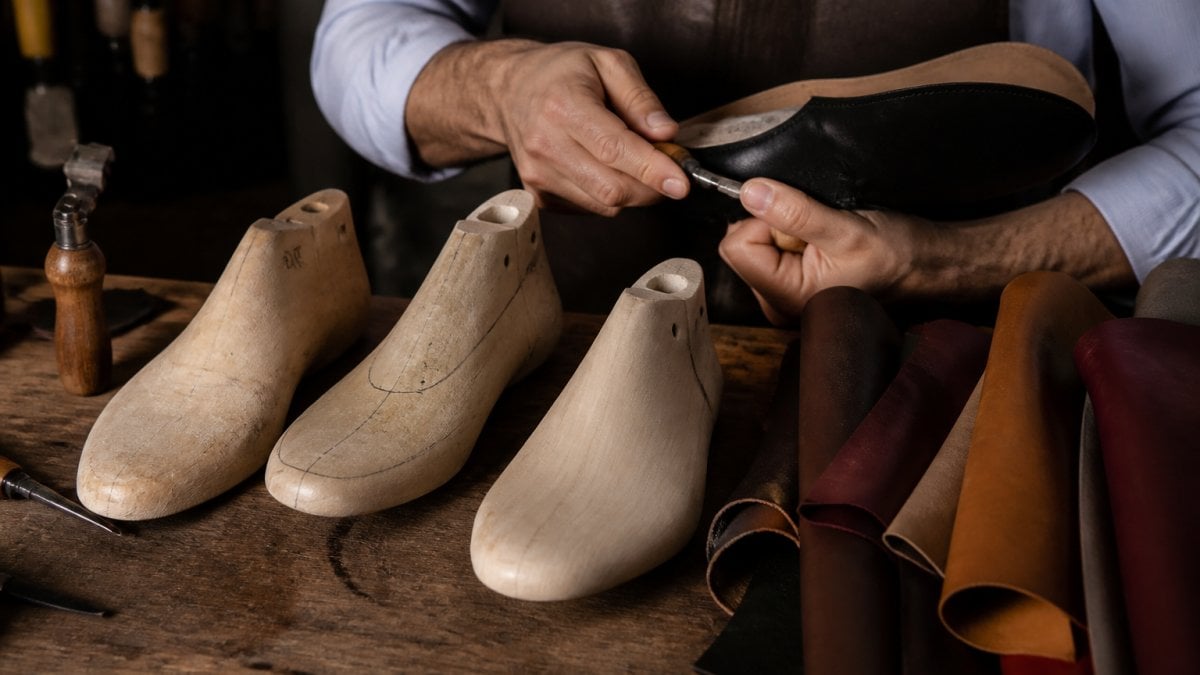
The last is the foot-shaped form your shoe is built around, and it determines fit more than any other single decision.
Trace both feet on paper, standing, at the end of the day when feet are largest. Measure length, width, and arch position separately for each foot.
Online configurators let you pick leather colors, linings, soles, and hardware before a single cut is made. You don’t need design experience. You choose from curated options, and the tool shows you the result before you commit.
What most configurators do not show is how your choices interact with fit. A thicker lining, a padded insole, or a structured toe cap all change the internal volume of the shoe. If you are between sizes or have an unusual foot shape, use the configurator for aesthetics and rely on a physical or remote measurement process for fit. Fine-tuning the tension across the bridge of the foot provides a final layer of control over comfort, which is why learning to customize your sneaker laces remains an essential skill for achieving a truly personalized feel.
Buying custom made leather shoes online comes down to three checks: real material transparency, a clear measurement process, and honest construction details. If a maker can’t tell you the tannery or the stitching method, walk away.
Look for Blake stitched or hand-welted construction, since both allow resoling.
Building shoes at home requires a shoemaker’s knife, an awl, a stitching pony, and ideally an industrial sewing machine. A basic kit plus leather, thread, and a shoe last typically runs under $50 for a beginner project.
Assembling custom leather shoes means turning flat leather into a three-dimensional shoe around a last. The order matters: pattern, cut, skive, last, stitch, finish. Rushing any stage shows in the final shape.
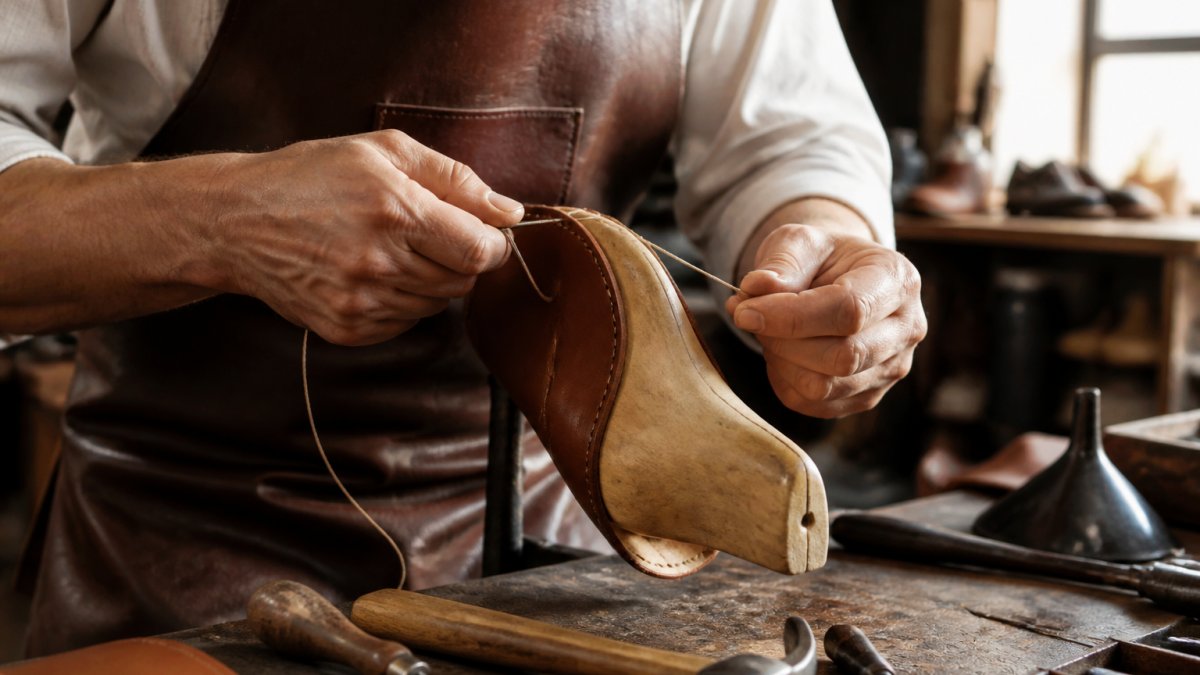
Pattern making starts with tape wrapped over the last to map the upper’s shape. You transfer that to card stock, then to leather. Skiving thins the edges so seams lie flat instead of bulging.
The Aldine Ave. Penny Loafer No. 6033 →
The sequence most makers follow:
A common pattern is to cut the vamp first because it is the largest and most visible panel. If the vamp is wrong, the rest of the upper will not sit correctly.
Lasting pulls the upper tight over the last and tacks it in place. Then you stitch the welt, attach the outsole, and finish the edges. Sanding, burnishing, and polishing turn a rough build into something you’d actually wear.
The lasting process in more detail:
A documented community project on Instructables’ DIY shoemaking guide completed a full pair in under 20 hours for less than $50 in materials. That timeline assumes a simple derby or loafer pattern; a welted dress shoe with a closed lacing system typically takes longer because the stitching and finishing steps are less forgiving.
Most DIY failures trace back to three mistakes: cutting leather before the pattern is proven, skiving too aggressively, and lasting unevenly. Each one is fixable, but only if you catch it early.
| Mistake | Fix | Impact |
|---|---|---|
| Cutting before testing pattern | Make a card mock-up first | Saves expensive leather |
| Over-skiving edges | Thin in small passes | Prevents torn seams |
| Uneven lasting | Tack opposite sides in turn | Keeps the shoe symmetrical |
| Wrong thread tension | Test on scrap leather | Stops broken stitches |
Made-to-order footwear costs more upfront but delivers a guaranteed fit and finish.
Research on Taylor & Francis Online’s study of home shoe sewing shows that DIY shoemakers are often motivated by craft and self-expression rather than savings alone. That’s worth knowing before you commit.
For most people who need shoes for work, a made-to-order pair makes more sense.
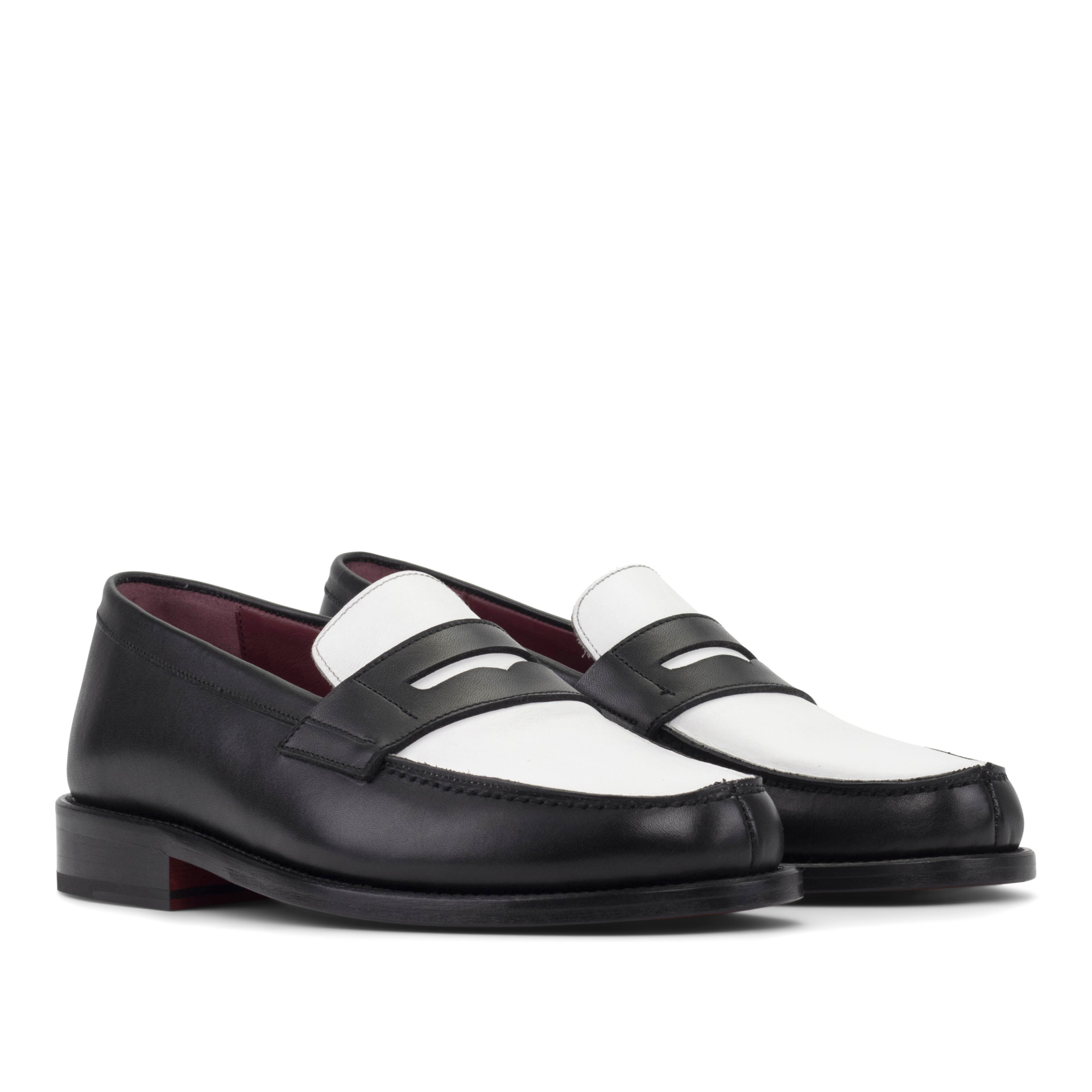
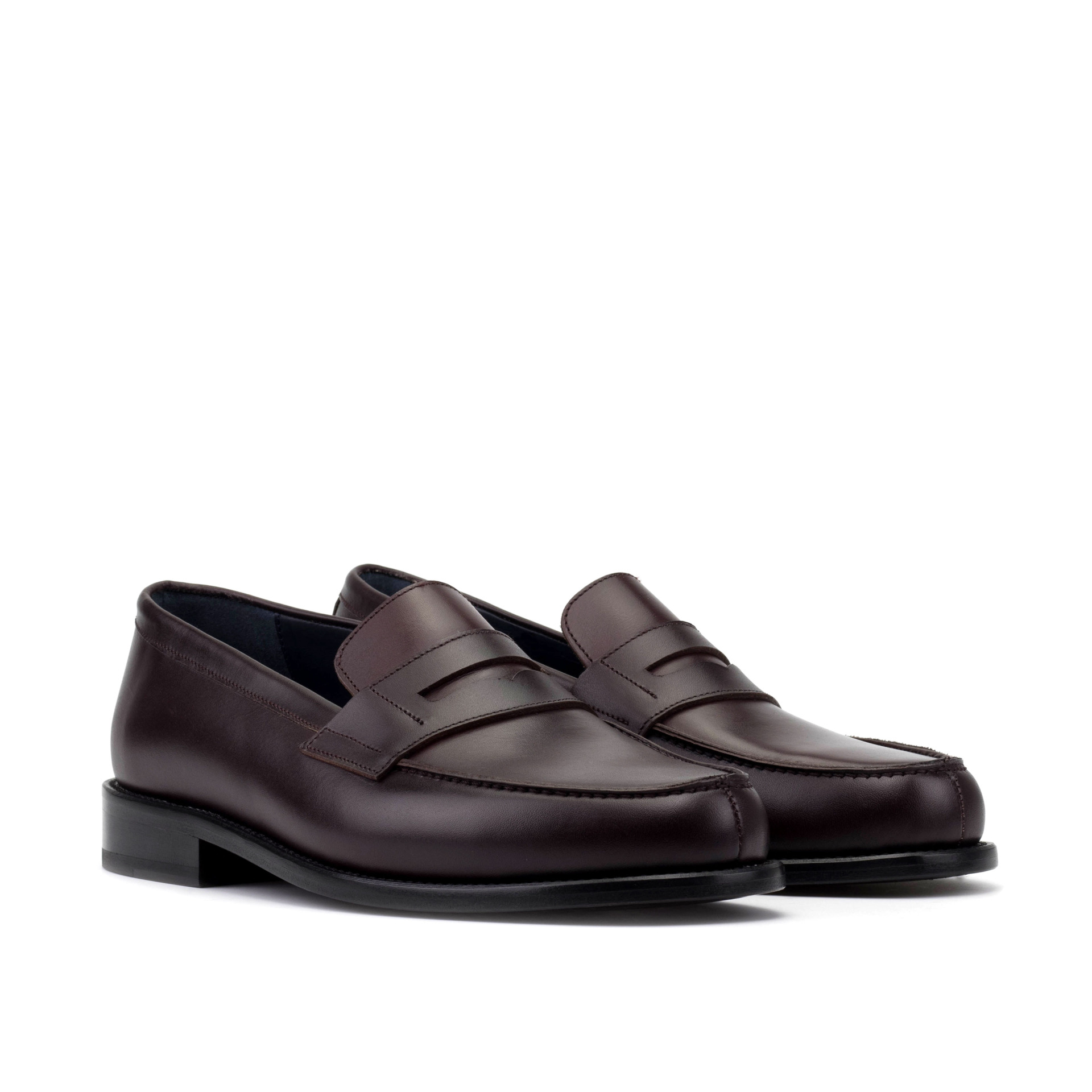
That’s where we come in. Our Aldine Ave. Penny Loafer No. 6033 is handcrafted in Spain from Black Luxe Calf leather with a Blake Stitched construction that allows resoling, and it’s fully customizable to your taste. The Aldine Ave. Penny Loafer No. 6030 offers the same build in rich oxblood calf, while the No. 6029 pairs navy calf with a crisp white tongue. Each pair is made to order and shipped worldwide with free shipping.
Yes, several online platforms allow you to design your own leather shoes. Robert August offers a digital design tool where you can customize materials, colors, and details on made-to-order footwear handcrafted in Spain. When choosing a platform, look for transparent pricing, material options, and a clear production timeline before you commit.
Making leather shoes from scratch involves pattern making, cutting leather, skiving edges, lasting the upper over a shoe last, stitching the welt, and attaching the sole. However, professional results require specialized tools like a shoemaker’s knife, awl, and industrial sewing machine, plus significant practice to master the techniques.
You can design custom shoes from scratch, though the approach depends on your goals. For made-to-order shoes, you customize an existing design by choosing leathers, linings, soles, and hardware. Robert August’s made-to-order model lets you personalize elements like leather type and sole color while ensuring quality craftsmanship.
Made-to-order leather shoes offer a personalized fit, premium materials, and unique design that mass-produced footwear cannot match. You choose the leather, lining, sole, and hardware to reflect your style. Made-to-order shoes also tend to last longer because they use durable construction methods like Blake stitching, which allows for resoling.
Designing your own leather shoes shouldn’t mean gambling on a fit you can’t predict. Whether you go the DIY route or choose made-to-order, the goal is the same: footwear that fits your feet and reflects your style. Robert August makes that easy with handcrafted-in-Spain construction, full customization across leathers and finishes, and free worldwide delivery. Browse our collection and create a pair that’s unmistakably yours.

Balance custom golf shoes performance and style with a 5-step fitting method covering spiked vs spikeless grip, traction and fit. Find your perfect pair.
Looking for a Senszio alternative for bespoke footwear? Compare Robert August’s made-to-order shoes on price, fit and construction before you buy.
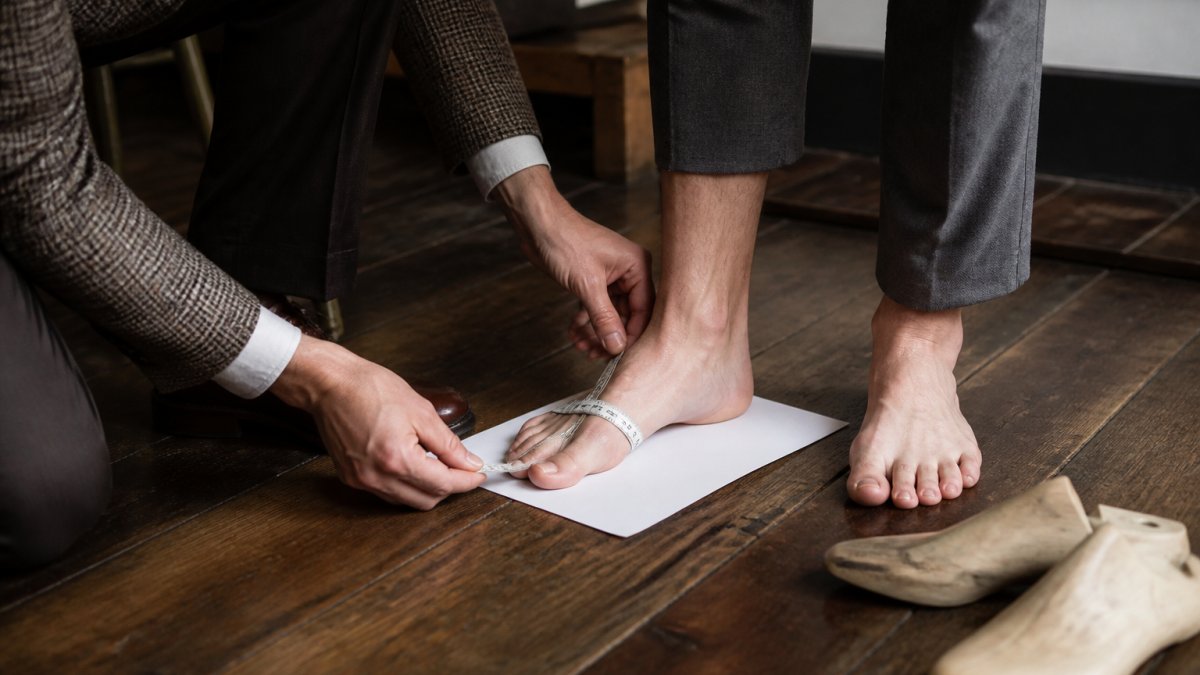
Learn how to measure feet for bespoke shoes with a repeatable at-home protocol. Trace, measure length, width and girth, then submit to your shoemaker.
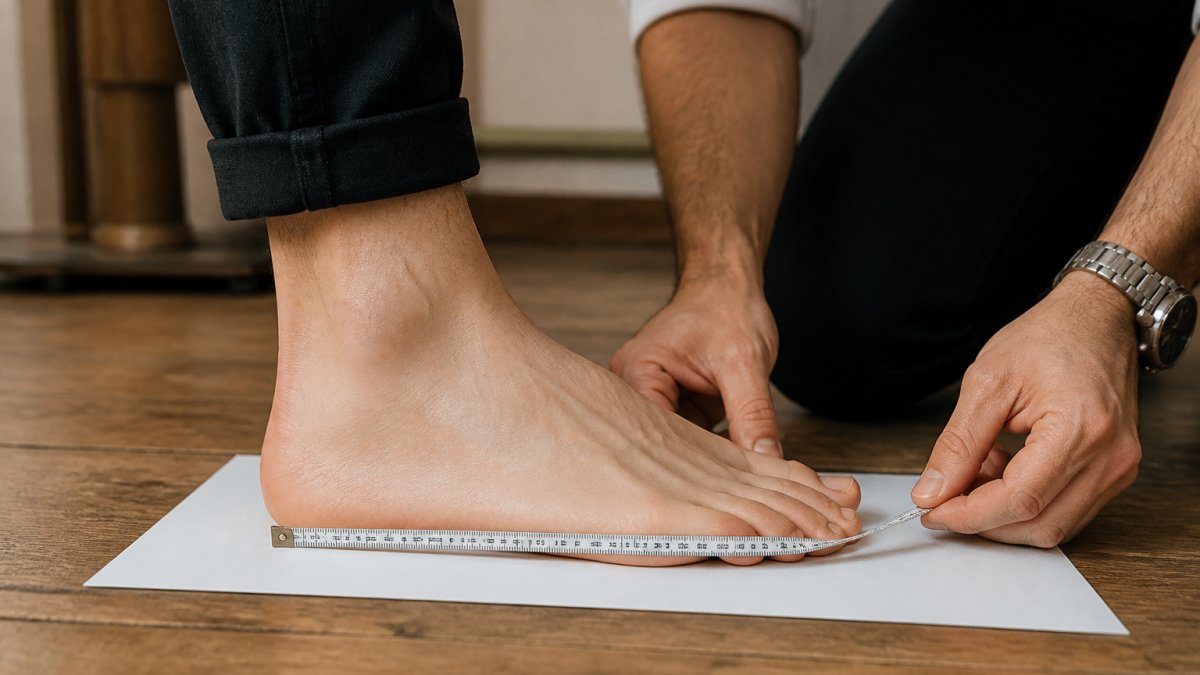
Learn how to measure feet for custom shoes with our step-by-step guide. Get accurate length, width, and girth measurements for a perfect bespoke fit.