

Last Updated: October 5, 2026
The global custom-shoes market was valued at USD 6.33 billion in 2025 and is projected to reach USD 12.3 billion by 2035, a 6.9% compound annual growth rate, according to Market.us custom shoes market forecast. That growth reflects a real shift in how discerning buyers think about footwear. The bespoke vs ready to wear shoes decision sits at the center of it.
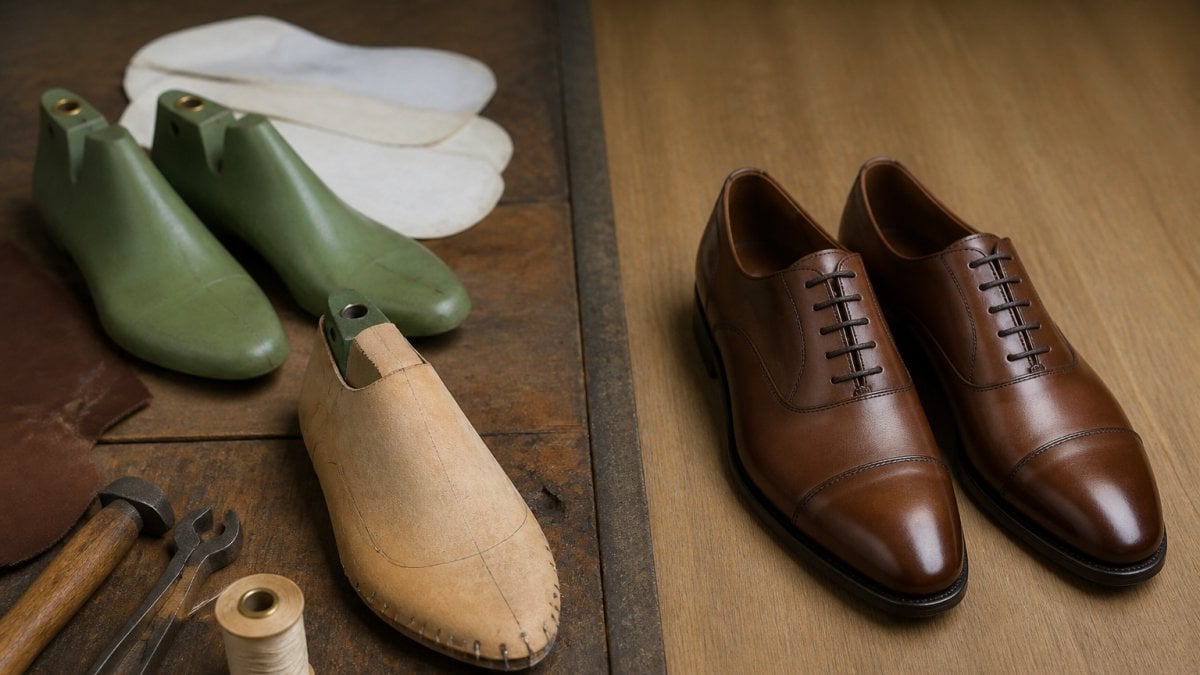
Bespoke shoes are made from a unique last built to your individual measurements, while ready-to-wear shoes are produced in standard sizes on a factory last. At Robert August, we build made-to-order footwear that borrows from both worlds: a standard base refined through digital design and handcrafted in Spain.
The choice is not simply expensive versus affordable. It is a question of fit precision, lead time, and how you intend to wear the shoes.
Bespoke shoes are footwear cut from a last made specifically for one person’s feet.
The bespoke shoes meaning goes beyond “custom.” Ready-to-wear (RTW) uses a pre-made last in standard sizes, so the shoe adapts to you only through the break-in period.
A middle option exists: made-to-measure and custom footwear. These start from a standard last that is adjusted to your measurements.
The bespoke shoe fitting process begins with measurement and ends with a trial shoe before the final pair is built.
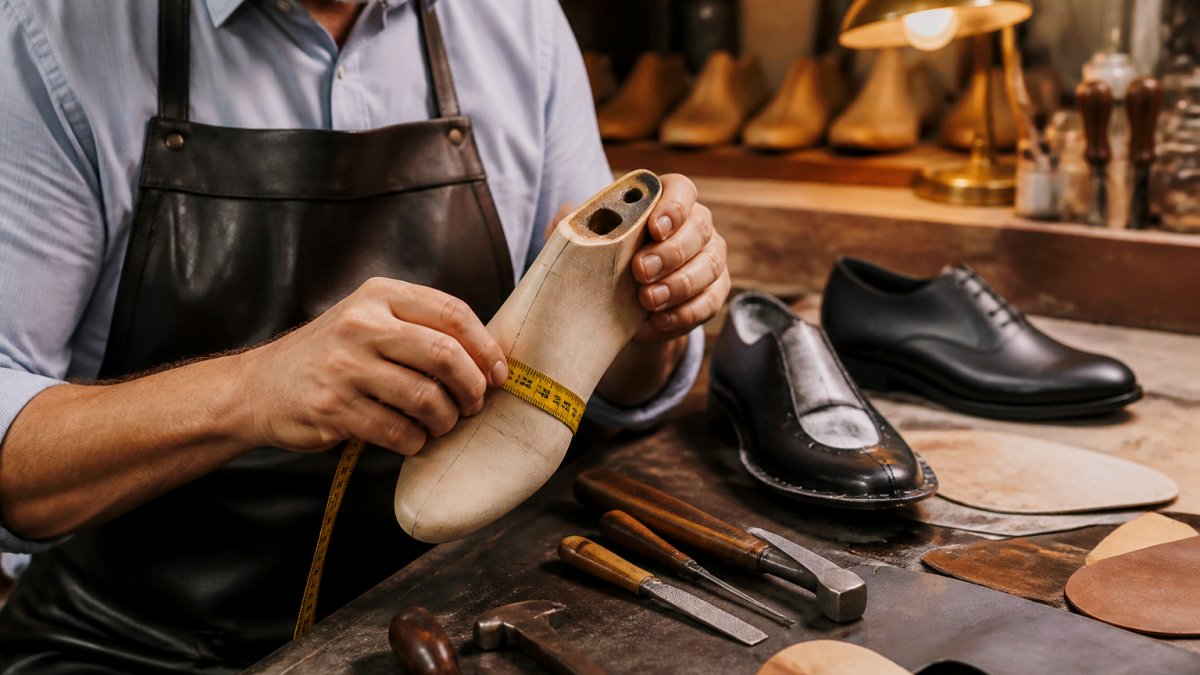
Bespoke shoes typically take three to nine months from first measurement to delivery, depending on the maker and the number of fittings required.
How long do bespoke shoes take is one of the most common questions buyers ask, and the honest answer is: longer than most people expect.
Ready-to-wear shoes ship immediately. Made-to-order footwear, including our Robert August collection, sits between the two: the design is personalized, but the base last is standard, so the timeline is measured in weeks rather than months. For business wear you need soon, that difference matters.
Bespoke shoes cost far more than ready-to-wear, and the gap is widest at the entry point. Full bespoke commissions commonly run into four figures, while quality ready-to-wear starts in the low hundreds. But upfront price is only the first line of the ledger. The real comparison is total cost of ownership over the life of the shoe.
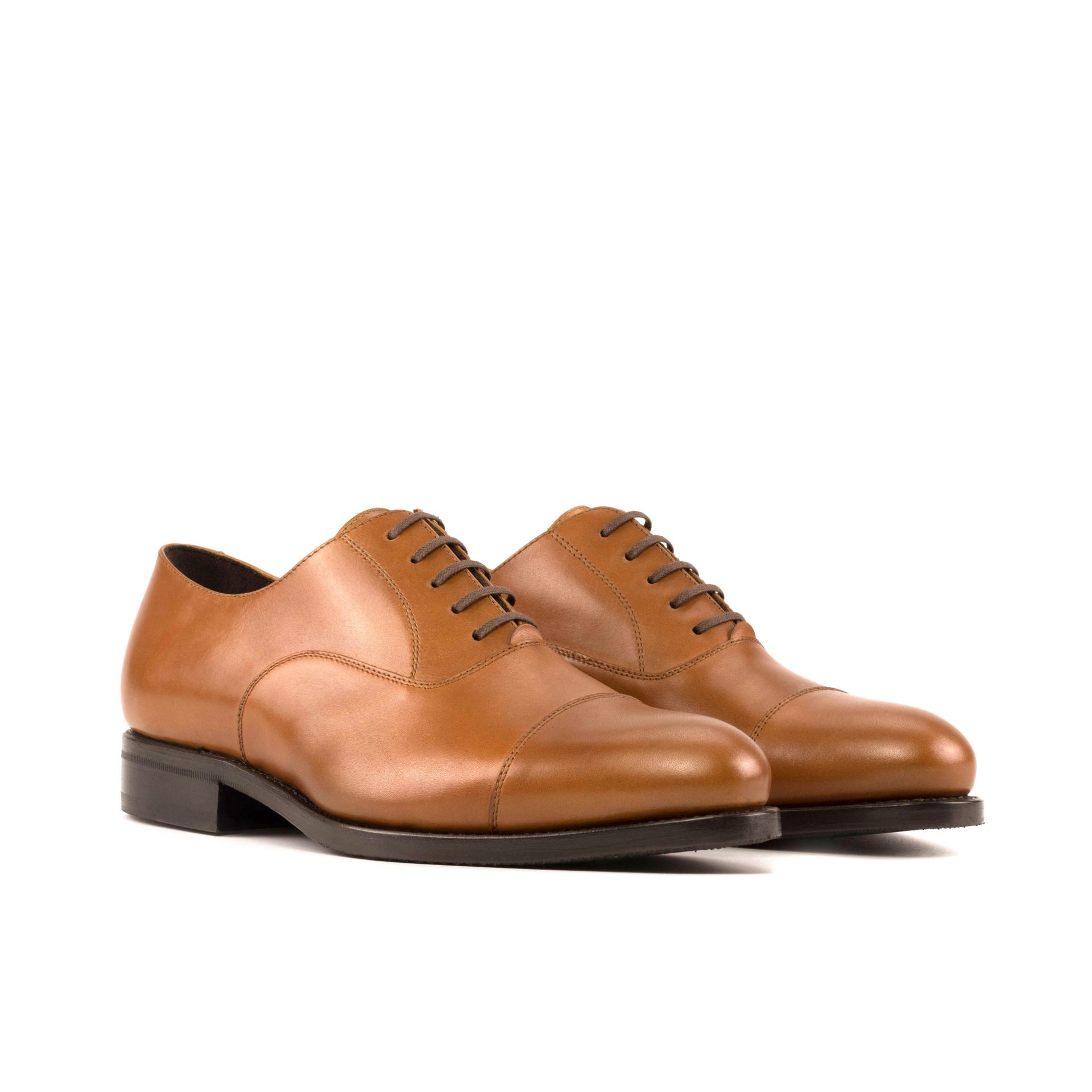
Our ready-to-wear Oxfords, Derbies, and Monks are priced at $349, handcrafted in Spain with Blake stitch construction.
| Factor | Bespoke | Made-to-Order | Ready-to-Wear |
|---|---|---|---|
| Upfront cost | Highest | Moderate | Lowest |
| Lead time | 3-9 months | Weeks | Immediate |
| Fit precision | Unique last | Adjusted standard | Standard sizing |
| Resoling and repair | Maker-dependent | Supported | Widely available |
| Best for | Hard-to-fit feet, collectors | Personalization, value | Speed, everyday wear |
A fair comparison adds four recurring costs that buyers often overlook:
Cost per wear is the purchase price plus expected maintenance and resoling, divided by the number of wears before the shoe is retired. A $349 pair worn twice a week for five years costs roughly $0.67 per wear before maintenance. A bespoke pair at several times the price can reach a similar figure only if it lasts proportionally longer and is resoled rather than replaced. That is possible, but it depends on care, rotation, and access to repair, not on the label alone.
A practical rule: if you wear a pair often and can repair it, the higher upfront price amortizes. If you wear it rarely or cannot get it repaired, the cheaper pair usually wins on total cost.
The Damen Ave. Double Monk No. 5926 RTW →
Craftsmanship and materials decide how long any pair lasts, whether bespoke or ready-to-wear. Construction method and leather quality matter more than the label on the box, and both determine whether a shoe can be repaired or must be replaced. Understanding the fundamental distinctions between handmade versus mass-produced construction reveals why certain footwear investments endure through decades of wear while others fail after a single season.
Two construction types dominate quality footwear:
Cemented construction, where the sole is glued rather than stitched, is common at lower price points. It is the hardest to resole cleanly and is the main reason cheap shoes are replaced rather than repaired.
Leather quality drives durability. Full-grain calf leather, like the luxe calf used in our Belmont Ave. Oxford and Wabash Ave. Wholecut, retains the hide’s natural fibers, ages, and molds to the foot over time. Lower-grade corrected leather is sanded and heavily finished to hide flaws; it can look uniform out of the box but tends to crack and crease poorly as it wears.
The practical test is simple: full-grain leather develops a patina and softens with use, while corrected leather tends to degrade. That difference is what makes care and resoling worthwhile on a good pair.
Durability is not automatic. It is the result of a routine:
A counterpoint worth noting: Permanent Style on whether bespoke shoes are worth it argues that high-end ready-to-wear is a strong choice on its own, and that bespoke is not always the most practical option today. Construction and materials, not the bespoke label, often decide long-term value. A well-made ready-to-wear shoe that is rotated, cared for, and resoled can deliver decades of wear, which is the real measure of craftsmanship.
Choose bespoke if you have hard-to-fit feet or want a unique last built for you. Choose ready-to-wear if you need quality shoes now at a predictable price. Choose made-to-order if you want personalization without the bespoke timeline.
Use this framework:
For most professionals, made-to-order is the practical middle ground. Our collection lets you shape the design while keeping a standard base last, so you get personalization and handcrafted construction without the bespoke wait. Ready-to-wear remains the smartest entry point if you are new to quality footwear.
Bespoke shoes are worth it if you value a precise fit, premium materials, and handcrafted construction that lasts decades with proper care. They suit people with asymmetrical feet or hard-to-fit shapes. However, ready-to-wear options like Robert August’s Blake-stitched shoes, handcrafted in Spain and priced at 349, offer excellent quality and comfort at a fraction of the cost. The right choice depends on your budget, timeline, and how much you prioritise individual fit.
Bespoke means a shoe is made entirely from scratch using a unique last created from your individual measurements. The process involves multiple fittings, a trial shoe, and hand construction. This differs from ready-to-wear, which uses standard sizing, and made-to-measure, which adapts an existing last. The bespoke shoe fitting process typically requires several months and multiple visits to the maker.
Bespoke shoes cost significantly more due to the labour, fittings, and materials involved. Ready-to-wear shoes from Robert August, such as The Wabash Ave. Wholecut Oxford No. 5925 RTW, start at 349. The price gap reflects the bespoke shoe fitting process, trial shoes, and individual last making.
Bespoke shoes typically take several months from first measurement to final delivery. The timeline includes creating a personal last, crafting a trial shoe, one or more fittings, and final construction. Ready-to-wear shoes ship immediately. Robert August offers an Express Lane on select styles like The Belmont Ave. Oxford No. 5921 RTW, which shortens the wait for made-to-order footwear.
Bespoke shoes can offer superior comfort because they are built on a last shaped to your individual measurements, accommodating asymmetrical feet and specific arch support needs. However, comfort also depends on materials and construction. Ready-to-wear shoes with Blake stitch construction, such as The Belden Ave. Split Toe Derby No. 5920 RTW, mold to your feet over a break-in period and provide excellent comfort for most wearers.
The bespoke vs ready to wear shoes decision comes down to fit precision versus speed and value, and most buyers do not need to pay for full bespoke to get a shoe that fits well and lasts. At Robert August, we offer made-to-order footwear handcrafted in Spain, priced at $349, with free worldwide shipping and a design process that lets you shape the details while keeping a reliable standard last. Browse our collection and create a pair that matches your style and your feet.

Bespoke vs ready to wear shoes compared: cost, fit, craftsmanship, and lead times. Discover which option suits your needs and budget.
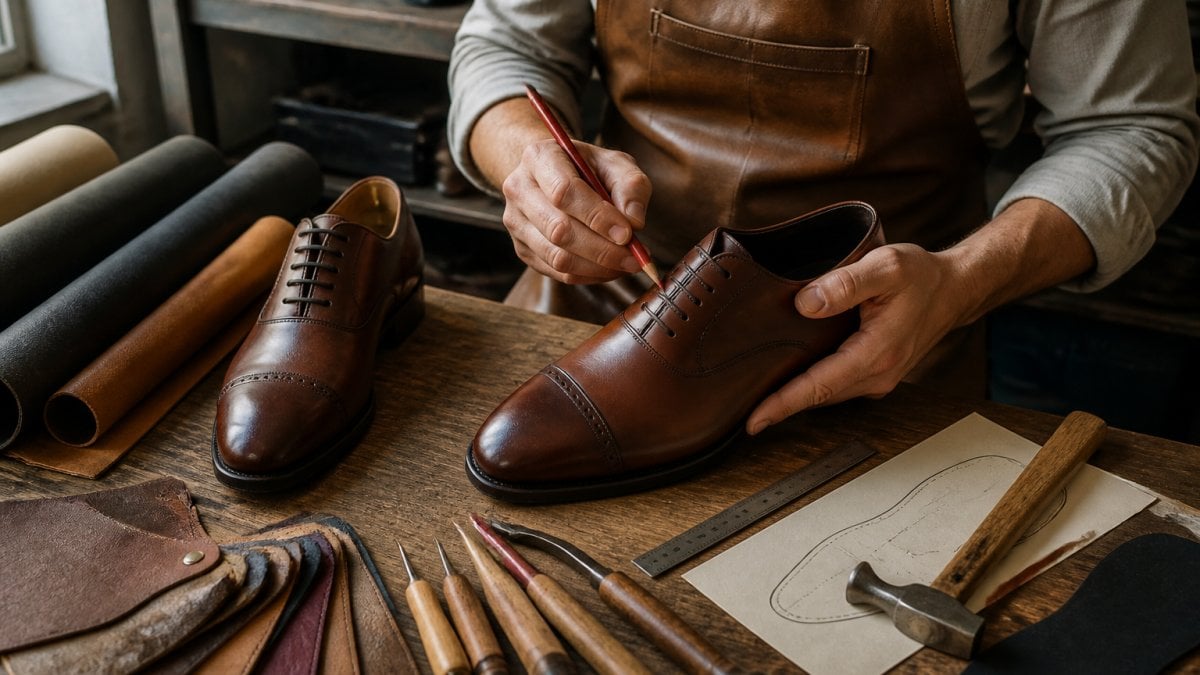
Design your own leather shoes with our step-by-step guide. From choosing leather to the bespoke design process, create custom made leather shoes online.
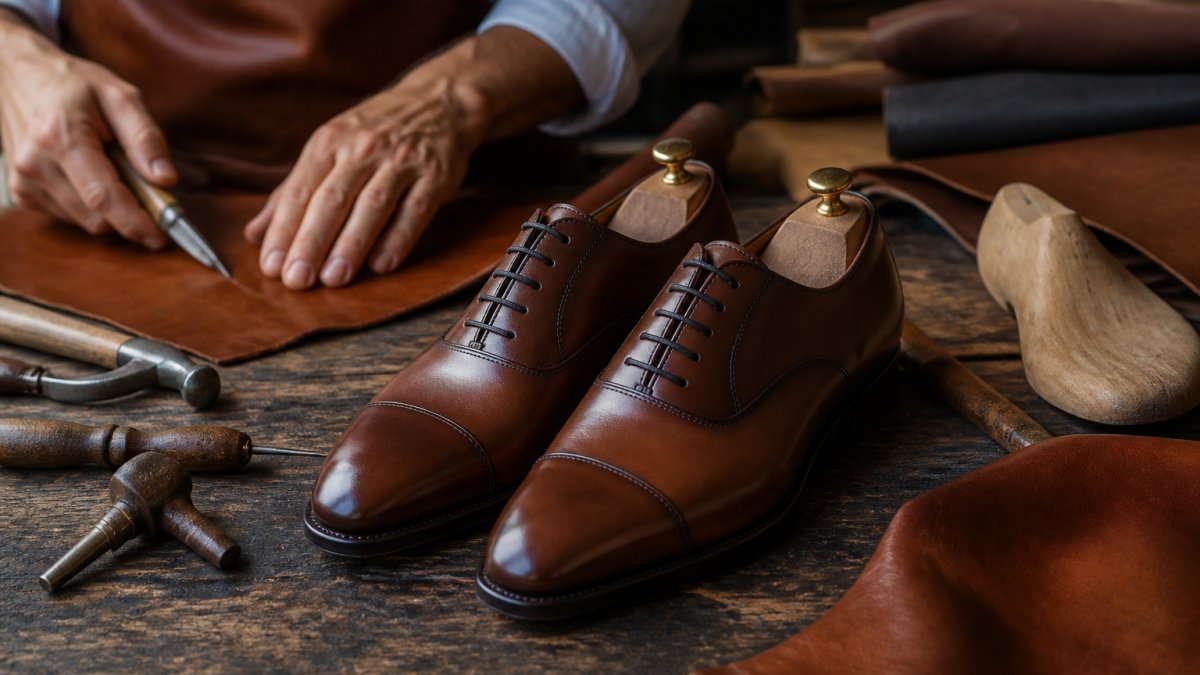
Explore luxury handcrafted leather oxford shoes, from full-grain leather benefits to bespoke vs made-to-order and maintenance tips.

Don’t let your shoes be an afterthought in your business casual wardrobe. The right pair can elevate your entire look, while the wrong choice can