


Last Updated: October 25, 2026
Quick Summary
Robert August is a made-to-order alternative for bespoke footwear, handcrafted in Spain since 2016 with prices from $379 to $479 and turnaround in weeks rather than months. You customize existing designs in leathers, colors, and soles, getting strong fit correction without a carved personal last.
The custom-shoes market is reported at $7.4 billion in 2026, with a projection of $16.8 billion by 2033 at a 12.3% compound annual growth rate, according to Bondeno’s 2026 bespoke shoe pricing guide. That growth tells you something: more men are moving away from department-store footwear and toward shoes built around their own feet. But growth also creates confusion, because “custom” means wildly different things depending on who is selling it.
At Robert August, we talk to shoppers every week who are hunting for a Senszio alternative for bespoke footwear. Their reasons vary, but the pattern is consistent. Some want a clearer price before committing. Others want a faster turnaround. Many have unusual foot shapes and were told, politely, that a standard last would have to do.
Here is the honest starting point most guides skip: bespoke footwear is a craft category, not a single product. Two makers can both say “bespoke” and mean entirely different processes, timelines, and price structures. Before you compare anyone, you need to know which of those processes you’re actually shopping for.
Bespoke footwear is made from a last carved to an individual foot, while made-to-order footwear starts from an existing last and is finished to your specifications. The distinction matters because it drives price, timeline, and how much fit correction you can realistically expect.
Traditional bespoke involves measuring your feet, carving a wooden last unique to you, and often a trial shoe before the final pair. It is slow and expensive by design. Bondeno’s 2026 pricing guide puts entry-level bespoke pairs at roughly $3,000 to $5,000, and Permanent Style’s discussion of bespoke shoemakers notes that bespoke is a substantial financial commitment. Handmade bespoke dress shoes can also take months to produce.
Made-to-order sits between ready-to-wear and bespoke. The maker has established lasts and patterns, and you choose leathers, colors, soles, and finishing details. You get personalization and a better fit than off-the-shelf, without the multi-month bespoke cycle.
If you want the full terminology laid out side by side, our guide on bespoke vs ready to wear shoes covers the differences in construction and process.
Standard sizing assumes symmetry that most feet don’t have. If one foot is a half size larger, or your forefoot is wide and your heel narrow, a single-width last will fight you. This is the single most common reason shoppers start looking for a Senszio alternative for bespoke footwear in the first place.
Remote measurement has improved. Both approaches aim to capture the asymmetries a brannock device misses.
What should you actually do? Measure both feet, late in the day, standing. Record length, width at the ball, and instep height separately for each foot. Then confirm how the maker handles a mismatch: does the order allow different sizing per shoe, or only a wider last?
For a step-by-step method, see our guide on how to measure feet for custom shoes. If your feet are notably wide or asymmetric, the deeper walkthrough on bespoke shoes for wide asymmetric feet covers the specific adjustments worth requesting.
Robert August builds made-to-order footwear and leather goods that combine digital design tools with traditional European shoemaking. Every pair is handcrafted in Spain, and the brand has operated since 2016, delivering worldwide with free shipping.
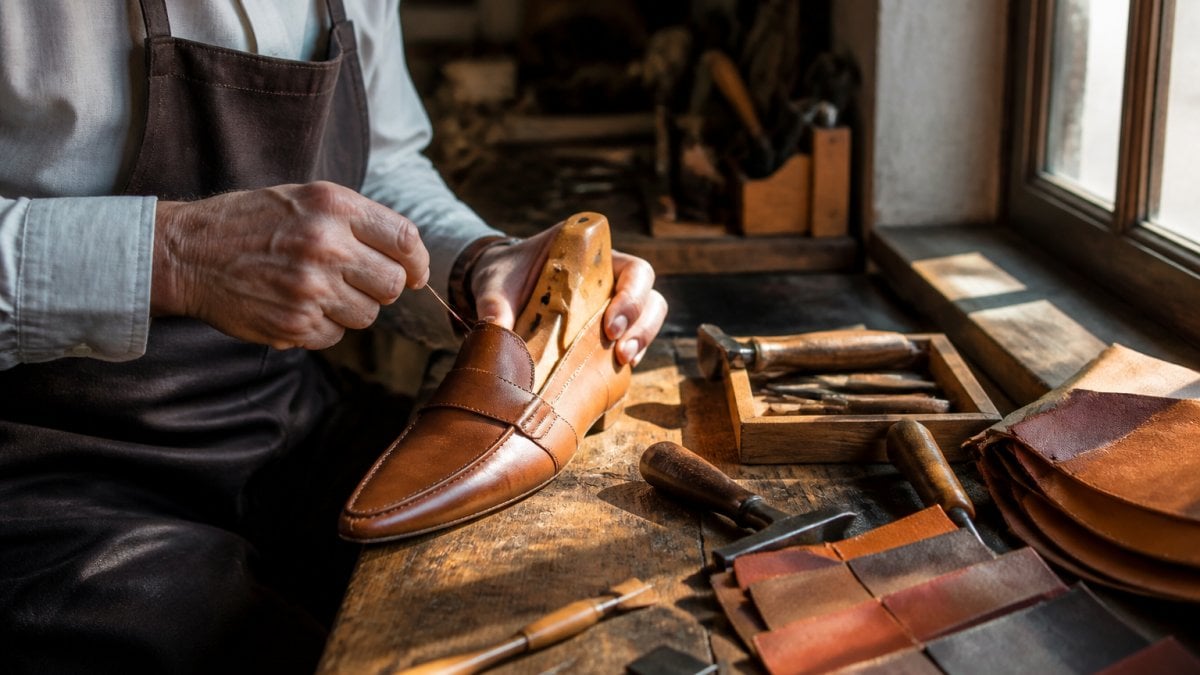
The model is straightforward. You start from an existing design and customize it: leathers, colors, sole finishes, and details. Take the **Aldine Ave.
If you prefer something dressier, the Cicero Ave. Single Monk No. 5744EX at $479 uses Goodyear welt construction with Italian calf leather and a brown Papiro hand patina. Goodyear welting creates a water-resistant seal and supports multiple resoles.
Best for: professionals who want personalized design and European construction without a bespoke timeline.
Skip if: you specifically need a last carved from scratch to a 3D scan of your foot.
The clearest way to compare is on the variables that actually affect your decision. Market estimates diverge widely, with Market.us projecting the custom shoes market at $6.33 billion in 2025 growing to $12.3 billion by 2035 at 6.9% CAGR, so treat any single “average price” claim with skepticism.
| Approach | Typical Price | Construction | Turnaround | Fit Correction |
|---|---|---|---|---|
| Traditional bespoke | ~$3,000-$5,000+ | Handwelted, carved last | Months | Full, via personal last |
| Made-to-order (Robert August) | $379-$479 | Blake stitch or Goodyear welt | Weeks, not months | Strong, via sizing and customization |
| Ready-to-wear | Under $200 | Cemented, mostly | Immediate | None beyond standard widths |
The price gap is real, and it buys something specific: a personal last and trial fittings. If your feet are close to standard and your priority is personalization plus repairable construction, made-to-order covers most of the ground at a fraction of the cost. Our 2026 review of whether custom shoes are worth the price works through that trade-off in detail.
Most guides tell you to “consider your wardrobe” and “think about fit.” That advice is true but useless when you are specifically weighing a Senszio alternative.
The Aldine Ave. Penny Loafer No. 6033 →
1. Customization scope. Ask what is actually adjustable. Some makers let you choose leather, color, sole, and lining only. Others also adjust last width, instep height, toe shape, and heel width.
2. Measurement method. In-person hand measurement, at-home impression molds, foot sketches, and 3D scans all produce different data.
3. Fitting rounds. Traditional bespoke often includes a trial shoe before the final pair. Made-to-order usually ships once, with adjustments handled after delivery. More fitting rounds mean more correction but a longer timeline.
4. Construction and repairability. Blake stitching is light and flexible and can be resoled; Goodyear welting adds a water-resistant seal and supports multiple resoles. Cemented construction is cheapest but usually not worth resoling.
5. Turnaround and aftercare. Bespoke can run months; made-to-order often runs weeks. Ask about alteration windows, shipping costs, and who pays return freight on a remake.
Use this checklist before ordering:
A common mistake is ordering the most distinctive design first. Start with a versatile pair, judge the fit and the service, then get adventurous.
Ordering remotely is where most first-time custom buyers lose confidence, and it is the part most guides skip. The process at Robert August is designed to be manageable, but the fit outcome depends heavily on what you do before you click order.
Step 1: Measure before you browse. Measure both feet late in the day, standing, and record length, width at the ball, and instep height separately for each foot. Write the numbers down; do not rely on memory.
Step 2: Choose a design and customize it. You start from an existing design and adjust leathers, colors, sole finishes, and details through the customization options. If you want to see the full range before deciding, you can explore the custom made collection.
Step 3: Flag asymmetries explicitly. If one foot is a half size larger, or your forefoot is wide and your heel narrow, say so in the order notes and confirm how the maker handles a mismatch.
Step 4: Confirm the fit-risk terms. Before paying, get answers to three questions: What is the alteration or remake policy if the first pair misses? Who pays return shipping on a remake? How long is the adjustment window? These terms are the real safety net on a remote order, and they vary by maker.
Step 5: Judge the first pair before expanding. Wear the shoes indoors first, then on short walks, and note pressure points. A versatile first pair tells you more about a maker’s fit consistency than a distinctive design will.
For a step-by-step measurement method, see our guide on how to measure feet for custom shoes. If your feet are notably wide or asymmetric, the deeper walkthrough on bespoke shoes for wide asymmetric feet covers the specific adjustments worth requesting.
Compare four things: the construction method, the fitting process, the price, and the turnaround. Blake stitched and Goodyear welted shoes can both be resoled, but Goodyear welting allows repeated resoles and creates a water-resistant seal. Ask whether measurements are taken remotely or in person, and whether the maker accommodates differences between your left and right foot. Robert August made-to-order loafers start at $379, so the price gap reflects how much hand-fitting you are paying for.
Bespoke means a unique last is built from your individual measurements, usually with in-person fittings and months of lead time. Made-to-order starts from an existing last and pattern, then lets you choose leathers, colors, linings and sole finishes. In the bespoke vs made-to-order shoes decision, made-to-order delivers personalization and quality construction faster and at a lower price, while bespoke delivers a fit no standard last can match. Robert August builds to order in Spain, so you get customization without the bespoke wait.
Custom shoe fit and sizing is exactly where made-to-order and bespoke diverge. A bespoke maker carves a last to each foot separately, which suits pronounced asymmetry. Made-to-order brands work from standard lasts, so ask directly whether they offer width options or can adjust one shoe. Robert August lets you specify materials and details through its design tool, but for significant size differences between feet, confirm the adjustment with the team before ordering rather than assuming the standard last will absorb it.
It depends on how far your feet sit from a standard last. If standard sizing fits you well, made-to-order shoes from Robert August at $379 to $479 give you handcrafted construction in Spain, resoleable soles and full customization for a fraction of that. If you have unusual foot shapes or orthotics needs, bespoke’s individually carved last may justify the premium.
Turnaround varies by maker and by how customized your order is. Bespoke typically takes months because a last must be carved and fittings scheduled. Robert August produces made-to-order footwear handcrafted in Spain and ships worldwide with free shipping, which shortens the path from order to delivery compared with full bespoke. Before you commit, ask the team for a current production estimate for your specific design, since material choices and finishing details can affect how quickly a pair is completed.
The hardest part of buying bespoke footwear remotely isn’t choosing a design. It’s trusting that the fit will arrive correct. Robert August addresses that with made-to-order construction handcrafted in Spain, full customization across leathers and finishes, and free worldwide shipping, backed by a brand that has been building custom footwear since 2016. Get started with Robert August and create a pair built around your feet, not a standard last.

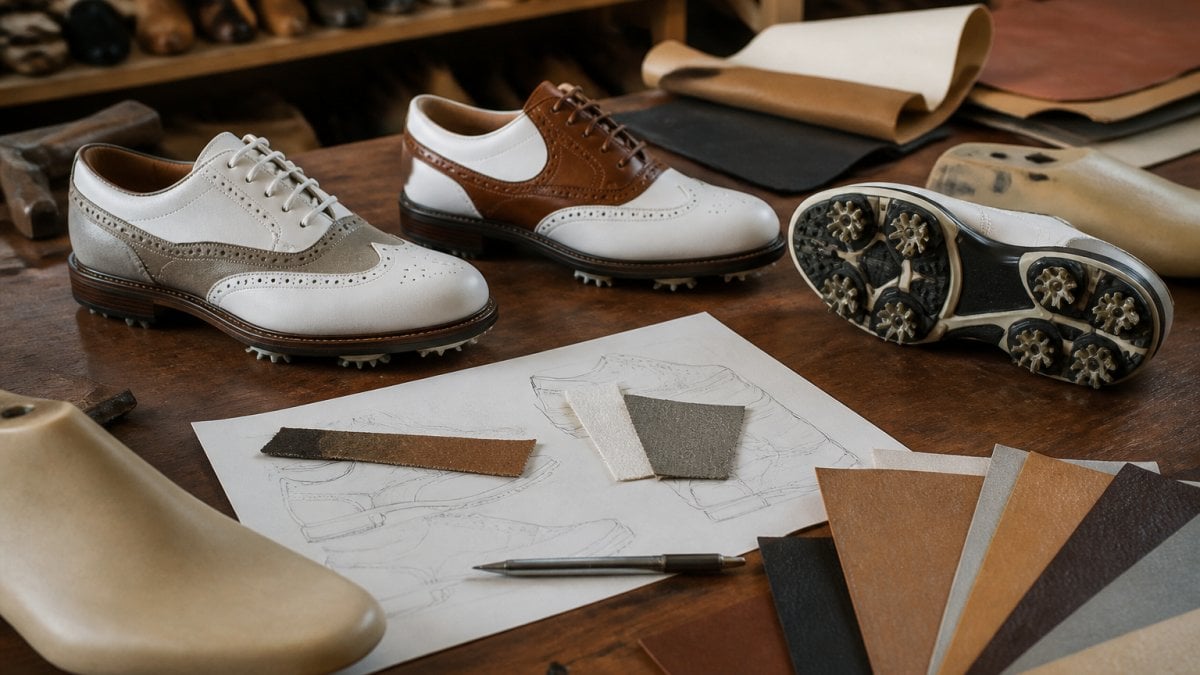
Balance custom golf shoes performance and style with a 5-step fitting method covering spiked vs spikeless grip, traction and fit. Find your perfect pair.
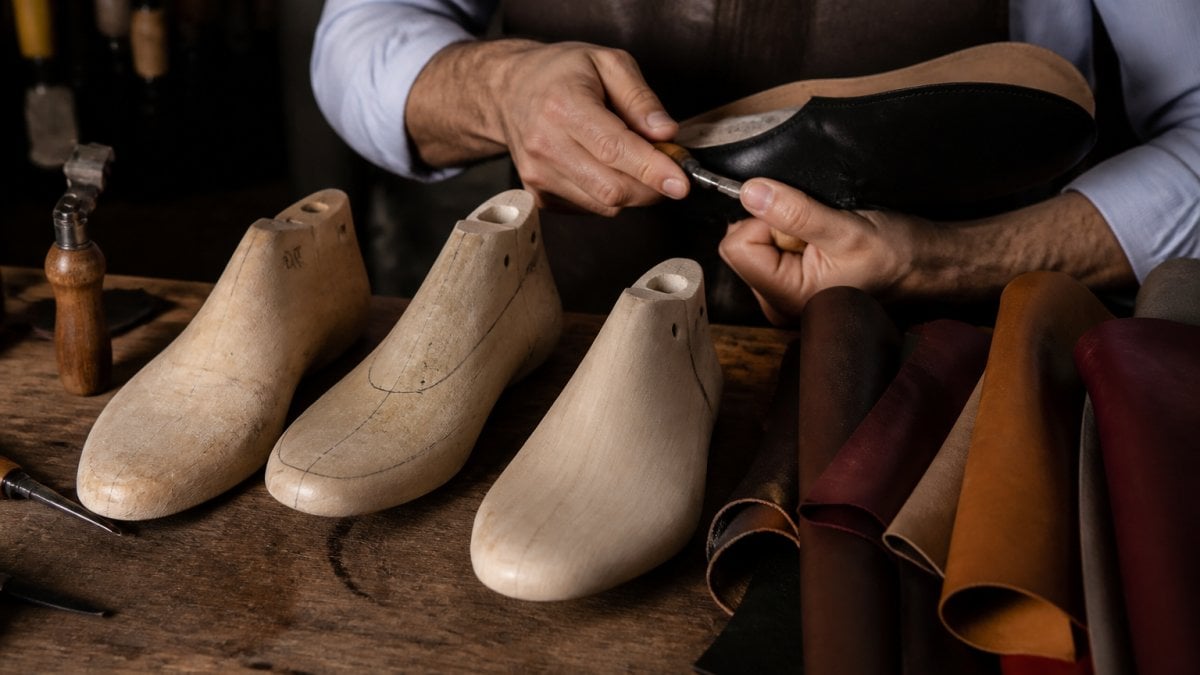
Looking for a Senszio alternative for bespoke footwear? Compare Robert August’s made-to-order shoes on price, fit and construction before you buy.
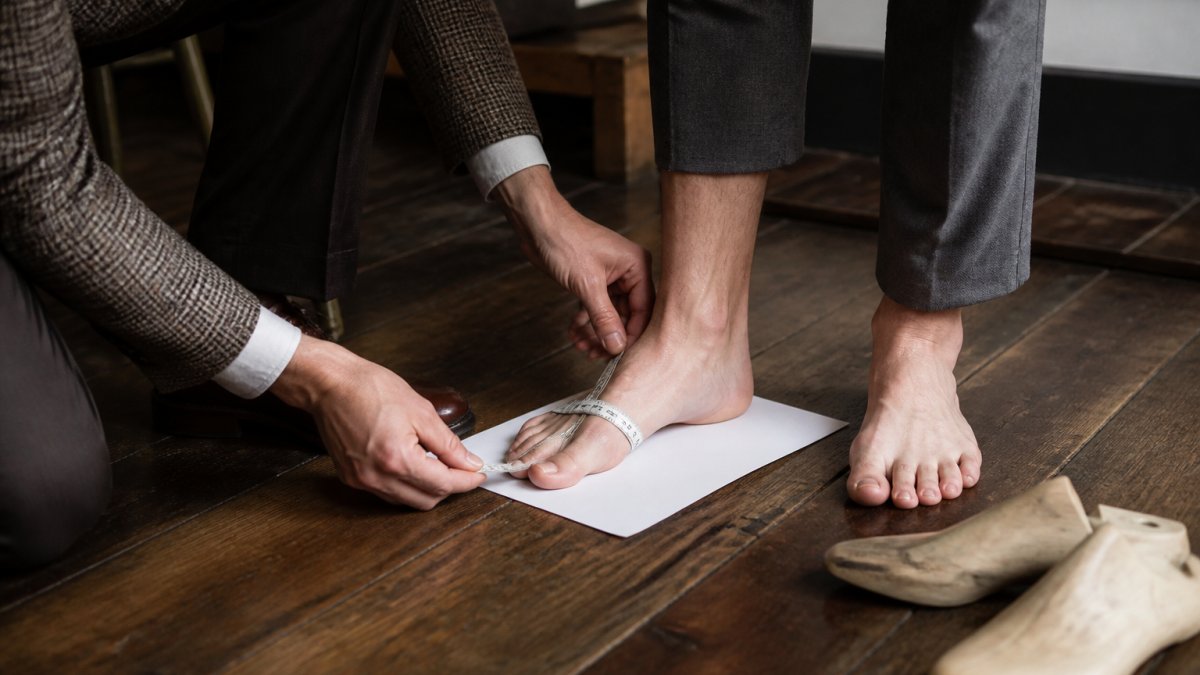
Learn how to measure feet for bespoke shoes with a repeatable at-home protocol. Trace, measure length, width and girth, then submit to your shoemaker.
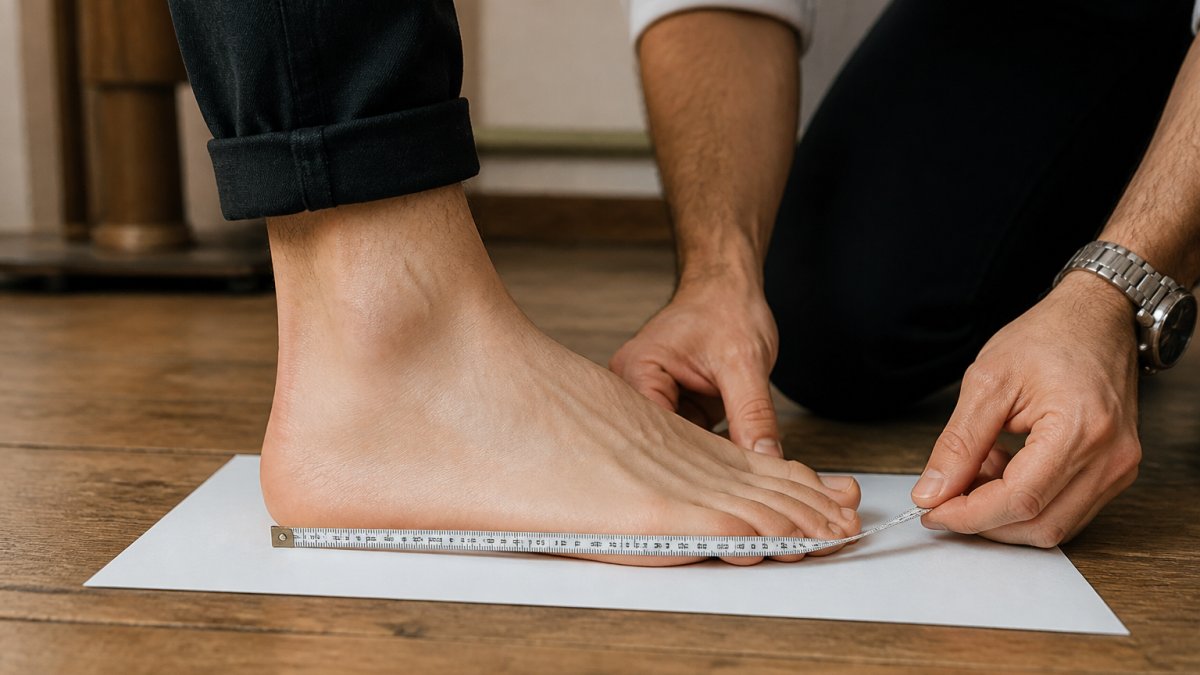
Learn how to measure feet for custom shoes with our step-by-step guide. Get accurate length, width, and girth measurements for a perfect bespoke fit.